
 |  |  |
Czech team
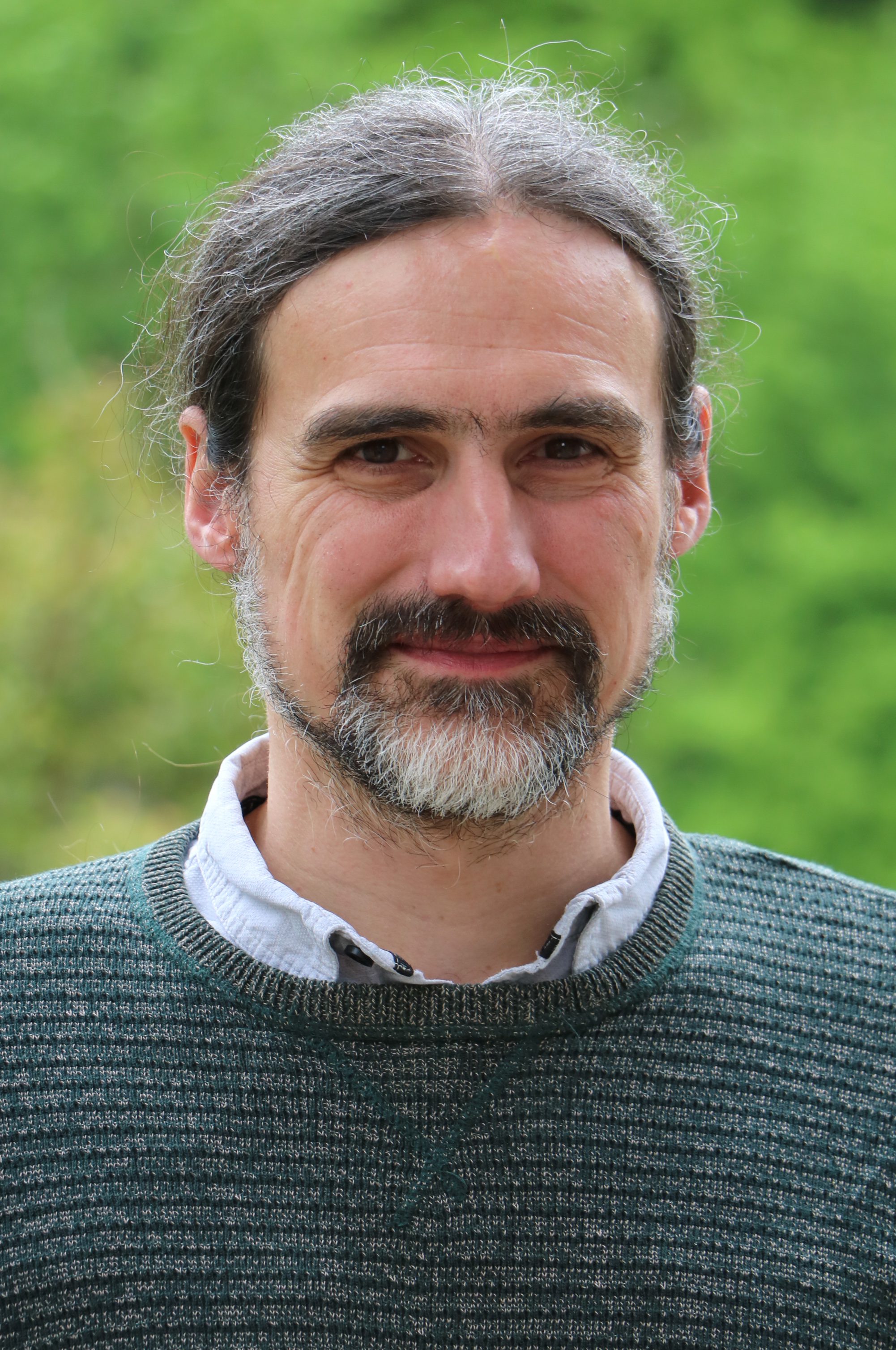
Josef Bernard is a sociologist, he received his PhD from Charles University in Prague, he is the Head of Local and regional studies department in the Institute of Sociology of the Czech Academy of Sciences, and he is a lecturer at the University of Hradec Králové. In 2014 he was a research fellow at Universität Zürich. He mainly focuses on the intersections between spatial and social inequalities, the rural sociology and spatial mobility issues. Hence his academic interest in topics such as the life in rural peripheries, the spatial aspects of voting behavior, the accessibility of education and services or the self-government of small municipalities.
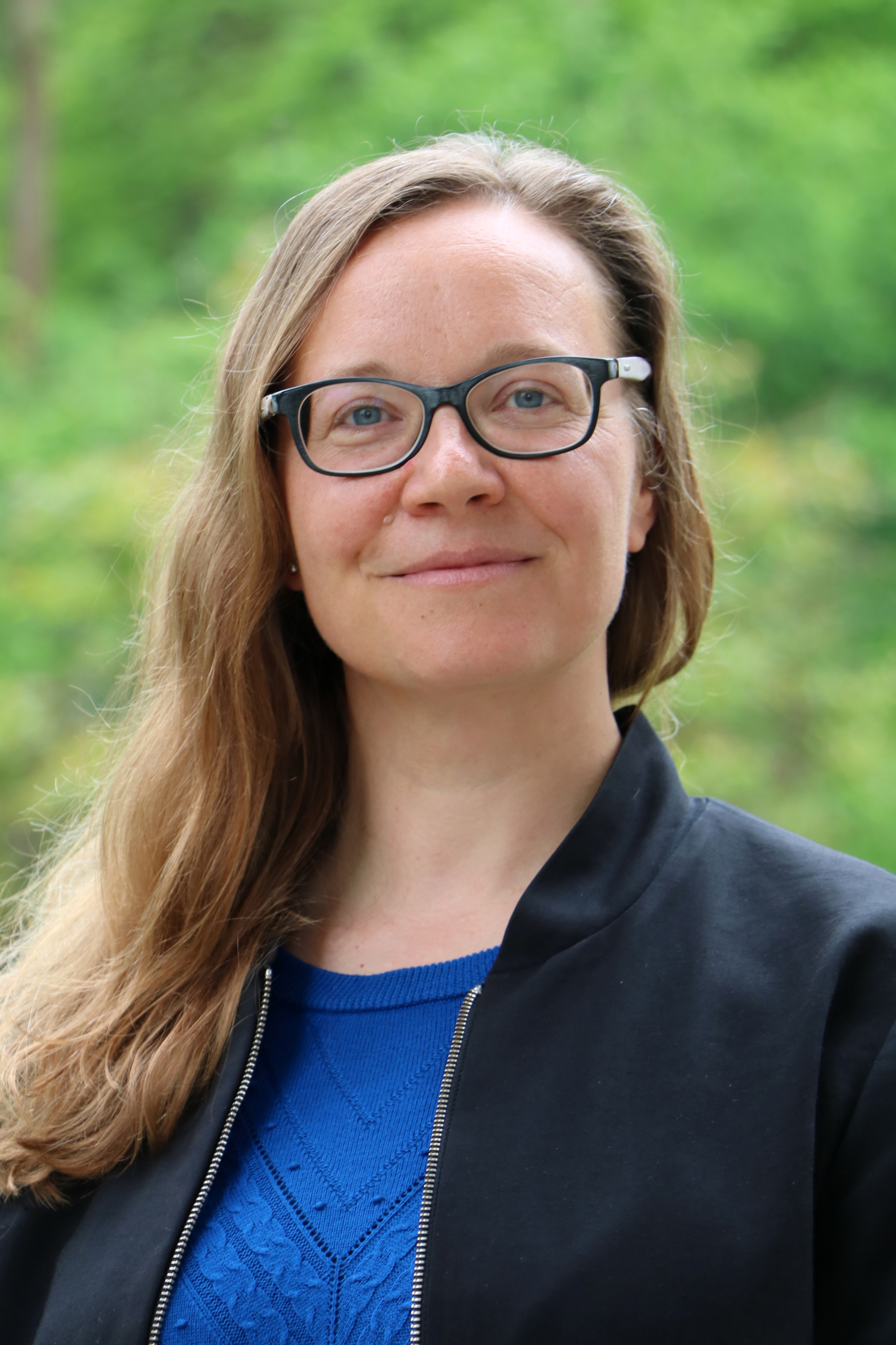 Anja Decker is a cultural anthropologist trained at Humboldt University Berlin and LMU Munich. She works as research associate at the Institute of Sociology of the Czech Academy of Sciences. Her research interest lies in the lived experience of social and spatial inequalities, which she approaches with a focus on diverse economies, resilience and informality. In her doctoral thesis, she explores everyday engagements with precarity and uncertainty through an ethnography of non-industrial agrifood practices in rural Czechia.
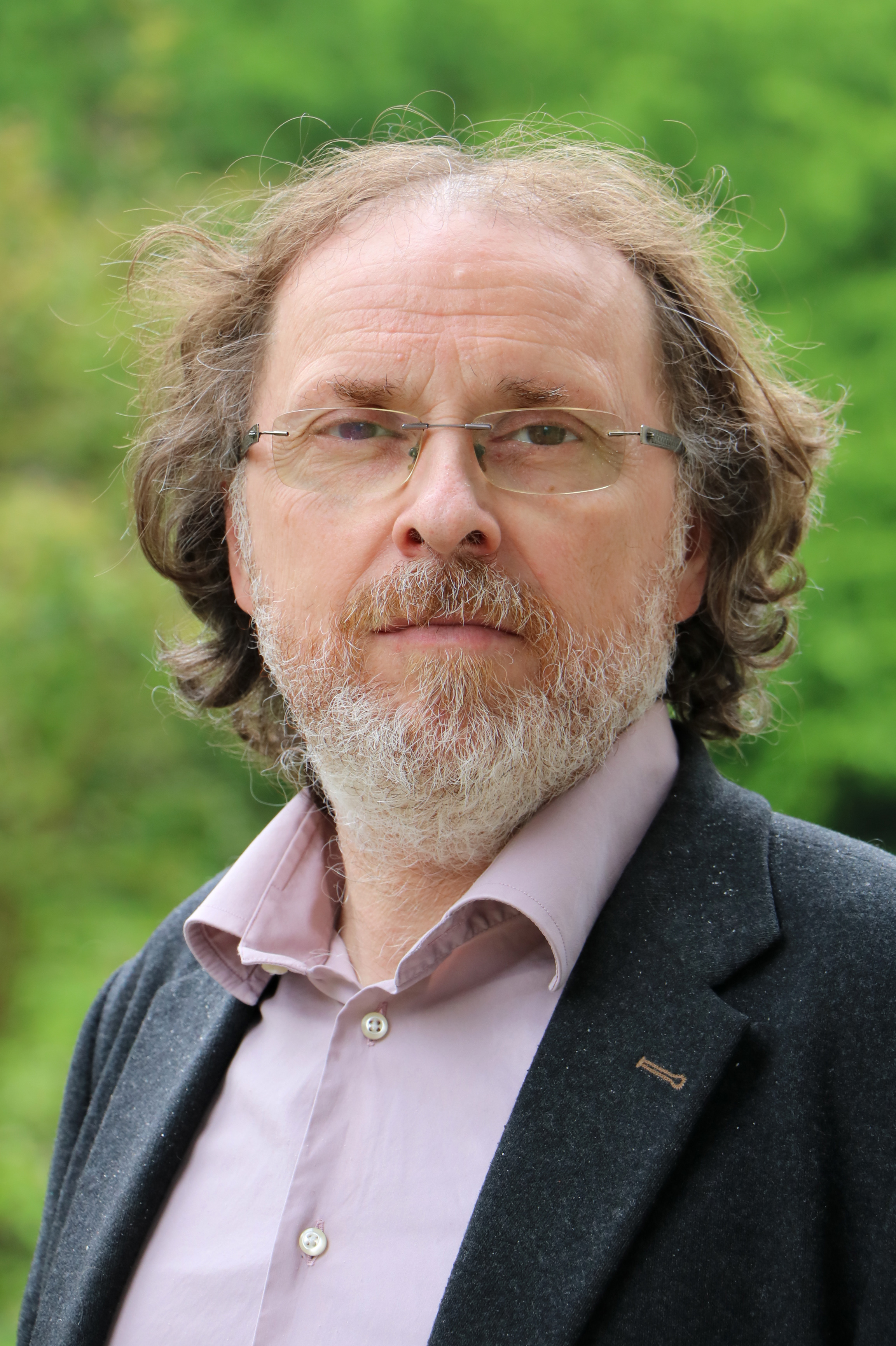 Tomáš Kostelecký studied economic and social geography at the Faculty of Science, Charles University. Since receiving his PhD, he has worked for the Institute of Sociology of the Czech Academy of Sciences and between 2012 and 2021 he was its director. In the course of his academic career, he was a research fellow at the Woodrow Wilson International Center for Scholars in Washington, D.C. and at the University of Hokkaido in Sapporo, Japan. He was the Research Director at the Czech branch of The Gallup Organization. As a recipient of the European Union Marie Curie Fellowship, he worked at the joint research unit of SCNRS and Science Po in Bordeaux, France. As an awardee of the Fulbright-Masaryk fellowship, he worked at the University of Southern California in Los Angeles. His main research interest lies in spatial and socio-spatial inequalities, local and comparative policy. Both home and abroad he has published extensively on topics such as: the spatial patterns of voting behavior; the formation and development of political party system in post-communist countries; the mechanisms leading to the creation of distressed neighbourhoods in big cities, and the following reaction of local policy; housing policy, the mechanisms of the housing market and their relation to the production and maintenance of social inequalities.
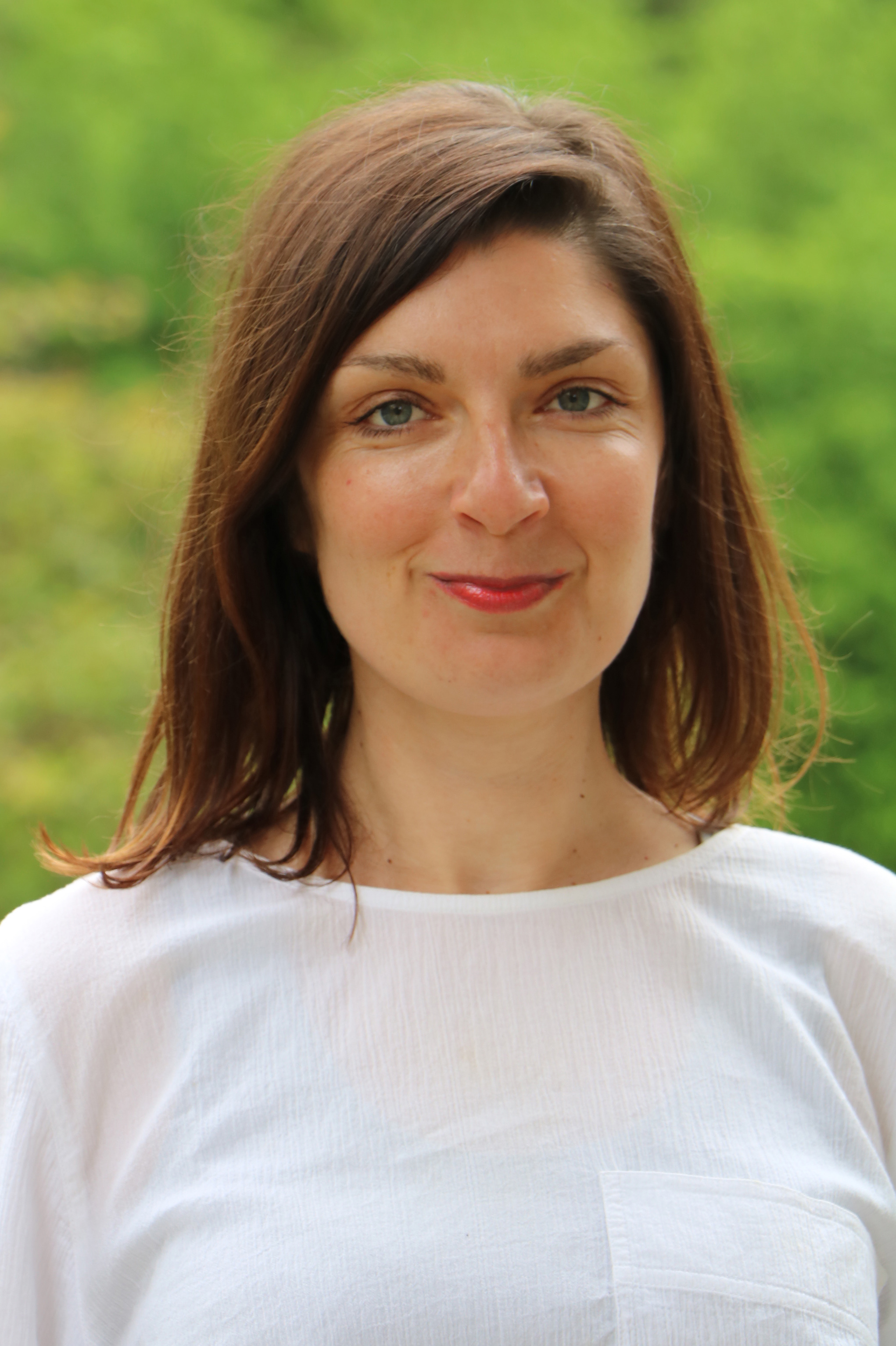 Ludmila Wladyniak is a Polish-Czech visual sociologist, focusing on visual methods in qualitative research. She works at the Department of Sociology, Faculty of Humanities, Charles University, at the Institute of Sociology of the Czech Academy of Sciences, and at the Centre for Social Issues SPOT. In her academic interest she covers topics in the field of cultural sociology, sociology of families and sociology of work. She possesses extensive experience in studying (both applied and academic research) the peripheral regions of Central Europe (social and cultural exclusion, local identity, processes of collective memory).
Faculty of Humanities, Charles University
German team

Andreas Klärner studied sociology, psychology and urban planning and earned his doctorate at Darmstadt Technical University. He habilitated in sociology (venia legendi and venia docendi) at the University of Rostock in 2016. He was employed as a research associate at the Hamburg Institute for Social Research, at the Max Planck Institute for Demographic Research in Rostock and the University of Rostock for several years. Since 2016, he has been a staff member at the Thünen Institute for Rural Studies, where he coordinates the research area Social Structure and Social Participation and focuses on poverty and social inequality in rural areas.
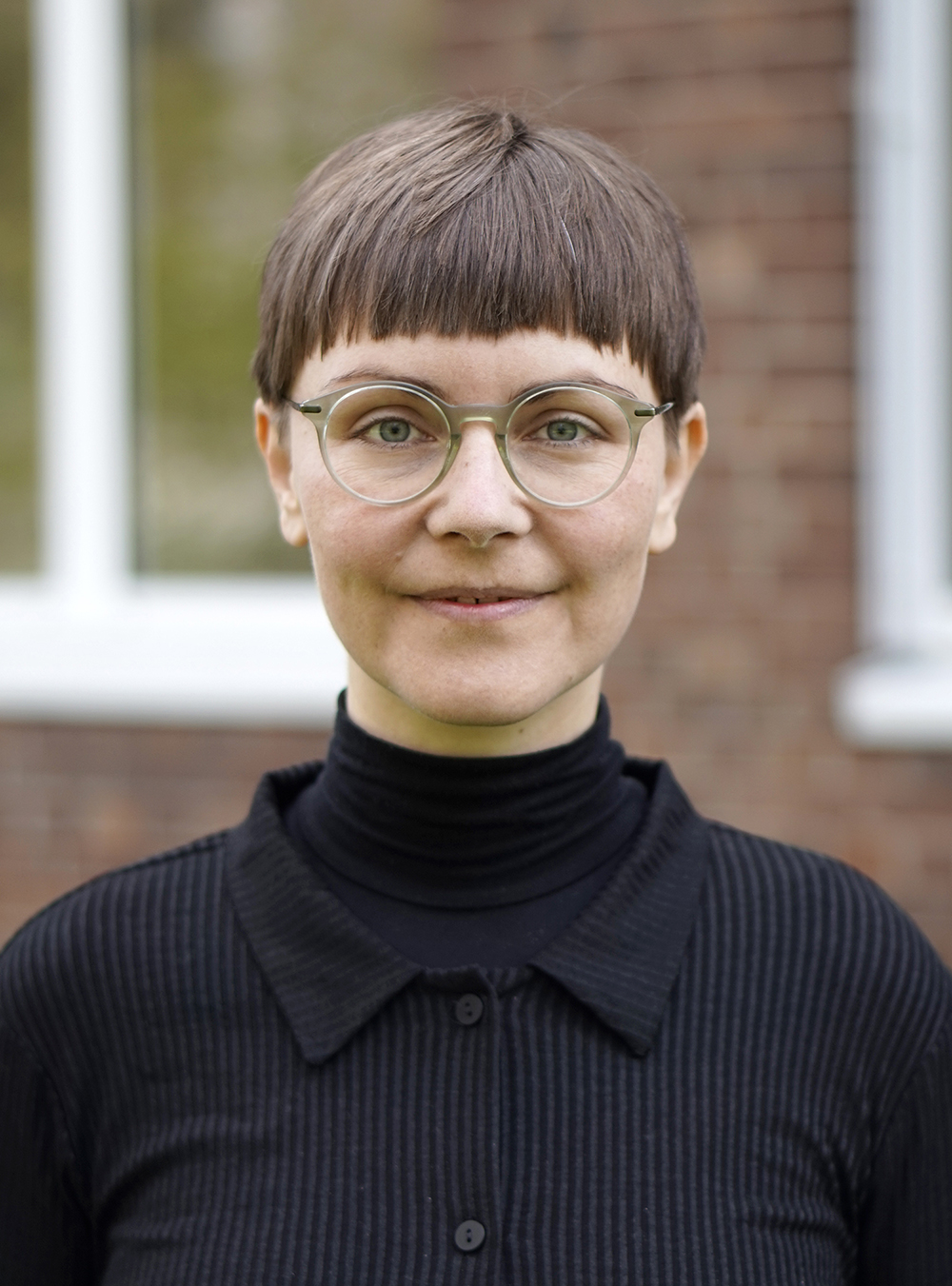 Susann Bischof is a sociologist with a focus on qualitative research methods. She studied at the University of Jena, works as a research associate at the Thünen Institute of Rural Studies and is a PhD student at the University of Göttingen. Her research focuses on social and spatial inequalities from the perspective of a political sociology of rural areas. In her doctoral thesis, she focuses on everyday experiences of the state in a rural, peripheralised region in East Germany.
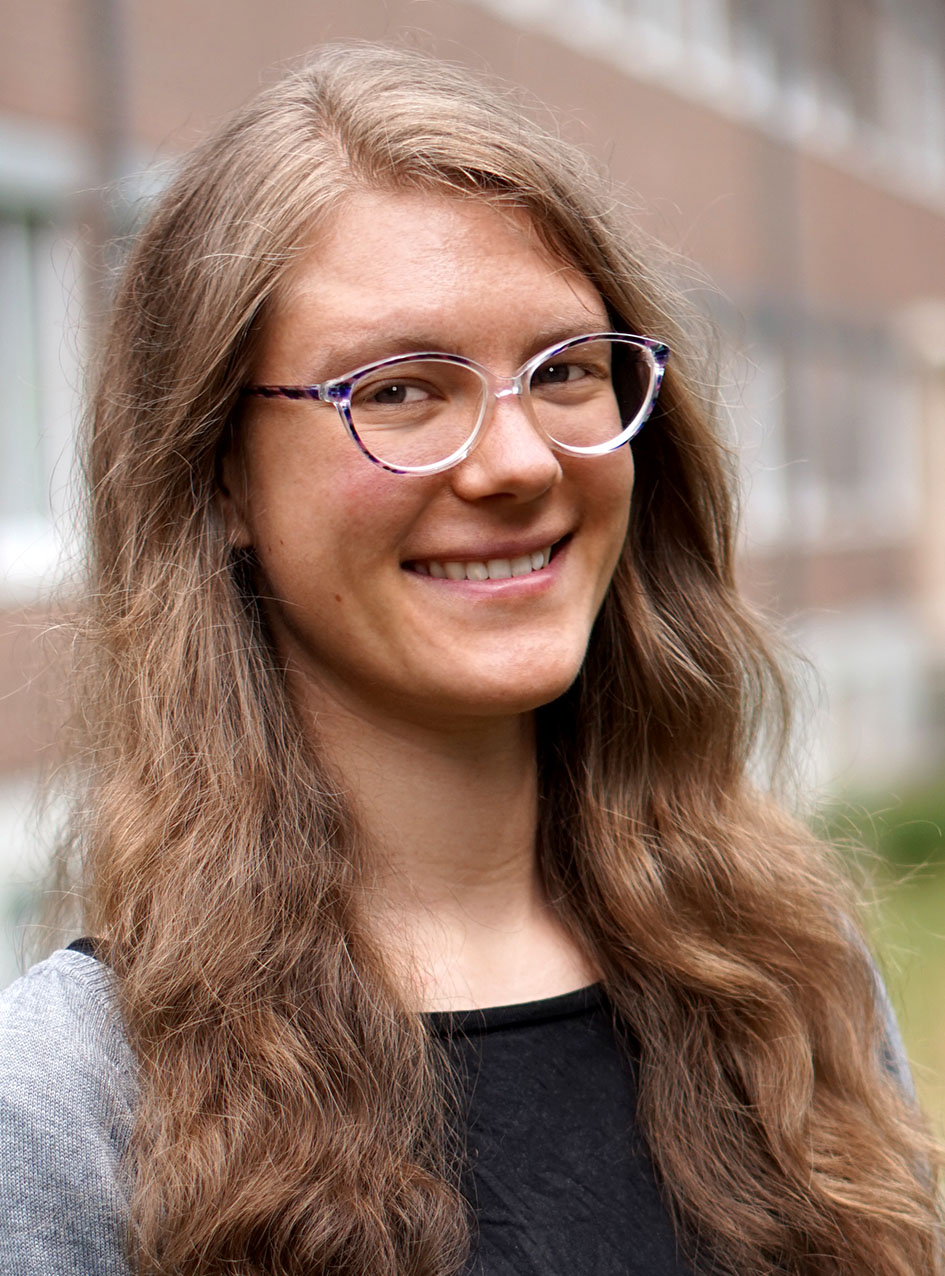 Larissa Deppisch studied sociology and educational science at the Goethe-University of Frankfurt am Main and is a research associate at the Thünen Institute of Rural Studies. There she works as a project coordinator and empirically with qualitative research methods. Her research focuses on services of general interest in rural areas, social inequality and right-wing populism.
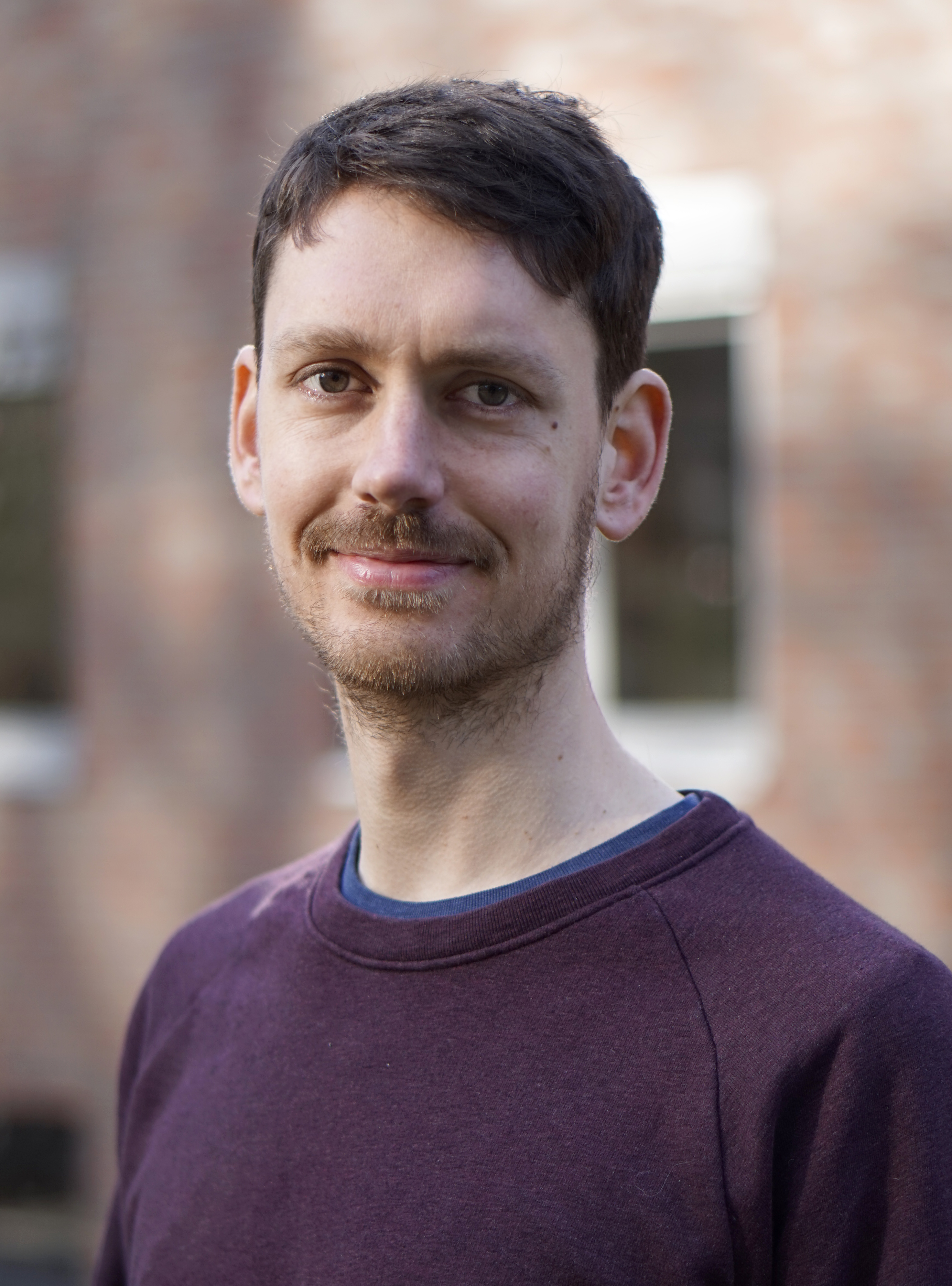 Martin Refisch studied sociology at the Georg-August University of Göttingen and is a research associate at the Thünen Institute for Rural Studies. In his doctoral thesis he focuses on the relationships between spatial conditions and social inequalities. To this end, he works with quantitative research methods.
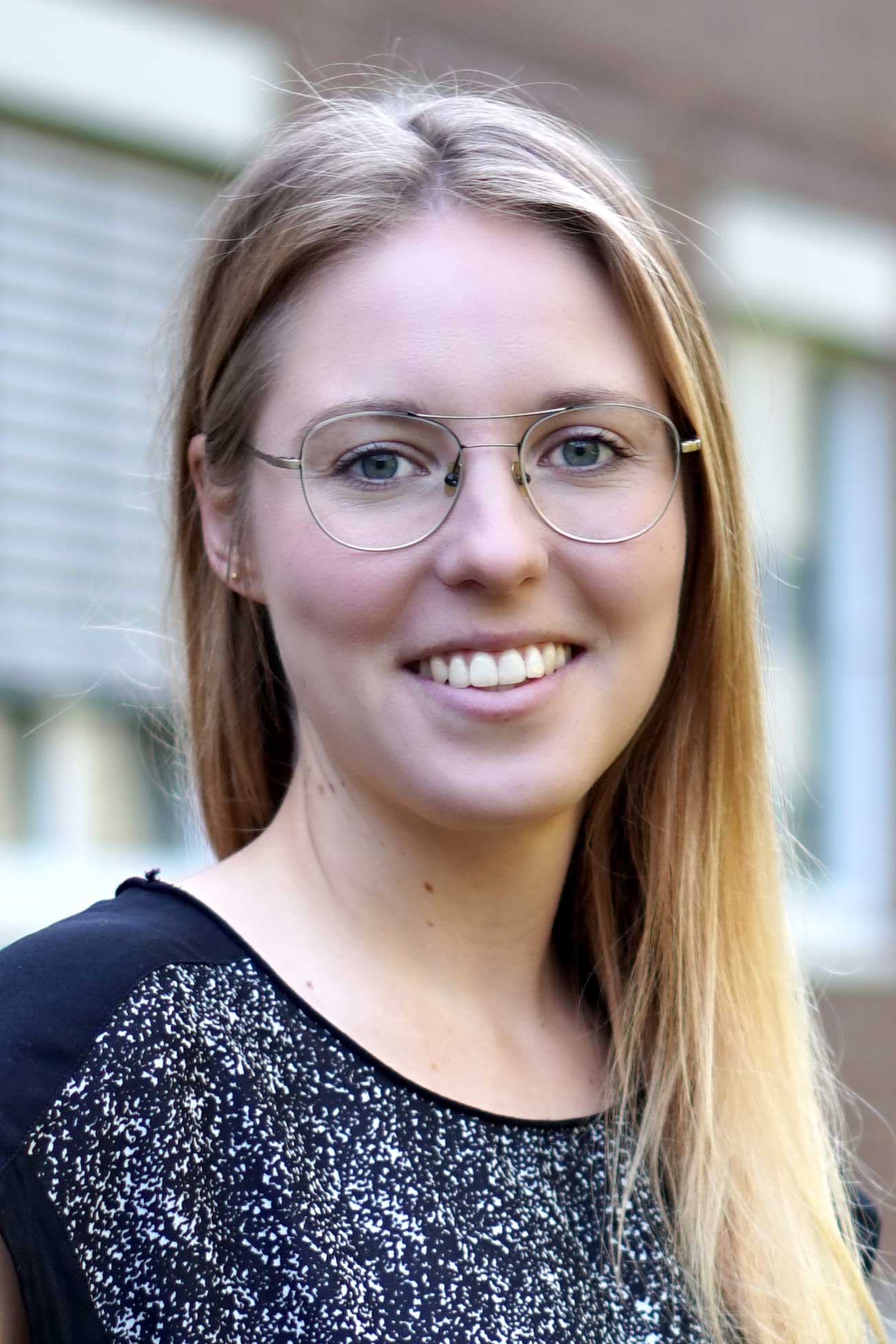 Franziska Lengerer studied intercultural studies at the University of Bayreuth and the University of Chester and geography at the University of Freiburg. She is a research associate at the Thünen Institute of Rural Studies and a PhD student at the University of Groningen. While her main expertise lies in qualitative research methods, she is also interested in mixed methods research. In her doctoral thesis, she works on older rural residents’ local community participation in an ageing region in Germany.
Polish team
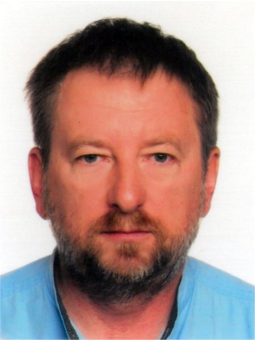 Jerzy Bański is a full professor of human geography in the Institute of Geography and Spatial Organization, Polish Academy of Sciences (IGSO PAS). His main research interests include: rural and agricultural geography, land use, regional policy, spatial organization and local development. 2018-2021 he was the Director of the IGSO PAS, 2006-2012 he was the President of the Polish Geographical Society, and 2017-2022 he was the chair of the Commission of Local and Regional Development, International Geographical Union. Jerzy Bański is the author of 420 publications, including 28 books (ex. Bański J., Mazur M., 2021, Transformation of agricultural sector in the East-Central Europe after 1989, Springer), 24 books as editor (ex. Bański J. (ed.), 2021, The Routledge Handbook of Small Towns, Routledge, New York-London, Bański J. (ed.), 2020, Dilemmas of regional and local development, Routledge, London-New York) and more than 190 papers with review processes (journals: Land Use Policy, Int. J. Environ. Res. Public Health, European Countryside, Agricultural Economics, Journal of Agricultural Science and Technology, European Urban and Regional Studies, Geoforum, etc). He was the co-ordinator of 45 research projects and the member of 40 other national and international projects (for ex. FP6, FP7, Horizon, ESPON).
Institute of Geography and Spatial Organization PAS
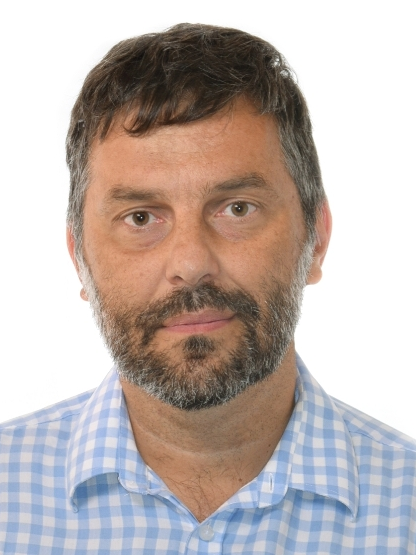 Mariusz Kowalski is a professor of human geography in the Institute of Geography and Spatial Organization, Polish Academy of Sciences (IGSO PAS). He is also a lecturer at the Centre for East European Studies, University of Warsaw, member of the Polish-Lithuanian Handbook Commission and the Council for Poles Abroad. His main research interests include political and historical geography, electoral behaviour, ethnic issues, historical and contemporary territorial divisions, evolution of political and socio-economic systems, geosophy and genealogy. Mariusz Kowalski is the author of more than 100 publications, including 10 books and more than 50 papers with review processes (journals: Geographia Polonica, Przegląd Geograficzny, Discussion Papers, Geopolitical Studies, Europa XXI Geografický časopis, Studia z Geografii Politycznej i Historycznej, Werkwinkel, Familia, etc). He was the co-ordinator of 7 research projects and the member of 21 other national and international projects (for ex. ESPON, Horizon).
Institute of Geography and Spatial Organization PAS
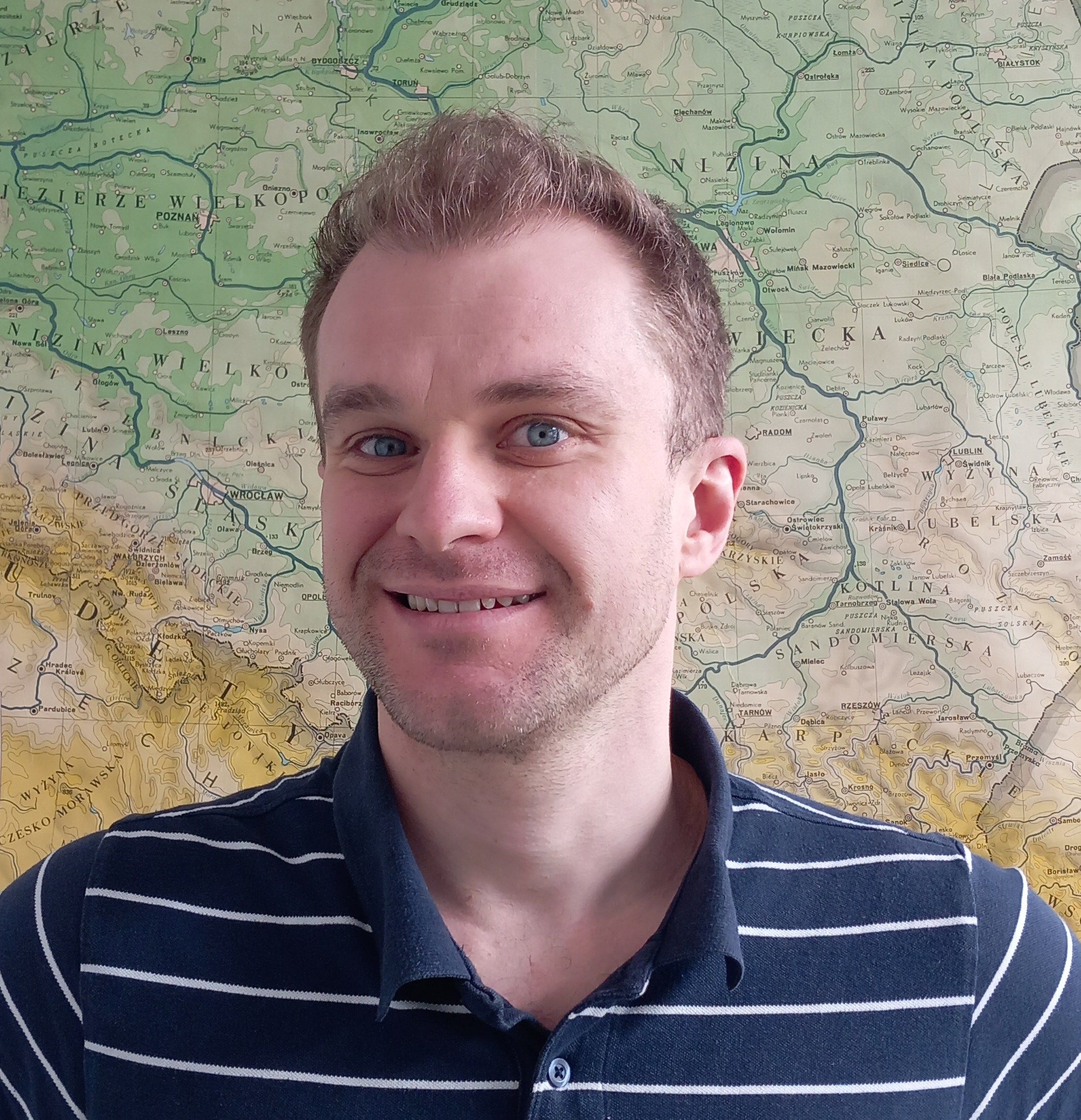
Michał Konopski, PhD is a graduate of geography at the Faculty of Geography and Regional Studies, University of Warsaw. Since 2012 he has been an employee of the Department of Rural Geography and Local Development at the Institute of Geography and Spatial Organization, Polish Academy of Sciences in Warsaw. His doctoral thesis concerned Territorial identity of Podlasie region in relation to administrative division. His research interests focus on territorial identity of rural communities, perception of space, toponymy and geographic regionalization, spatial inequalities and local development. In his research work he combines both quantitative and qualitative methods of analysis. He is the author and co-author of numerous publications in the discipline of socio-economic geography and spatial planning. Michał Konopski has been participating in many national and international scientific projects (including i.a., National Science Centre of Poland, Horizon2020, ESPON). He also has been involved in international cooperation with geographers from Israel, Bulgaria, Slovakia, Hungary and Romania. He is the member of the International Geographical Union's Steering Committee of Commission on Local and Regional Development.
Institute of Geography and Spatial Organization PAS
Institute of Geography and Spatial Organization PAS
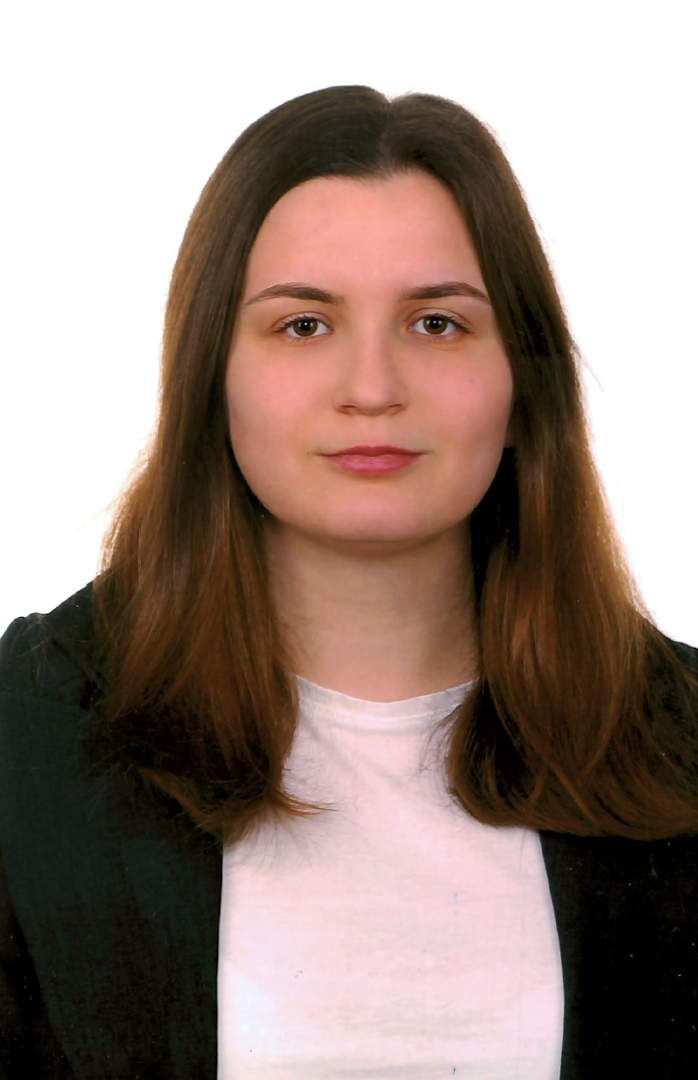
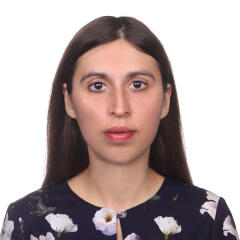 Aliaksandra Siadarava has a PhD in Economics and currently she works at the Institute of Geography and Spatial Organization, Polish Academy of Sciences. Her research interests focus on studying the interaction between informal and formal institutions in various countries, analyzing patterns and historical conditions of institutional dynamics. The core of her research involves examining the historical factors leading to the development of specific institutional systems based on unique features of political and economic mentalities. She explores the institutional roots of inequality in Central and Eastern European countries. Additionally, she has extensive experience in sociological research and conducting interviews. As an author and co-author, she has contributed to numerous publications in the field of economics.
Institute of Geography and Spatial Organization PAS